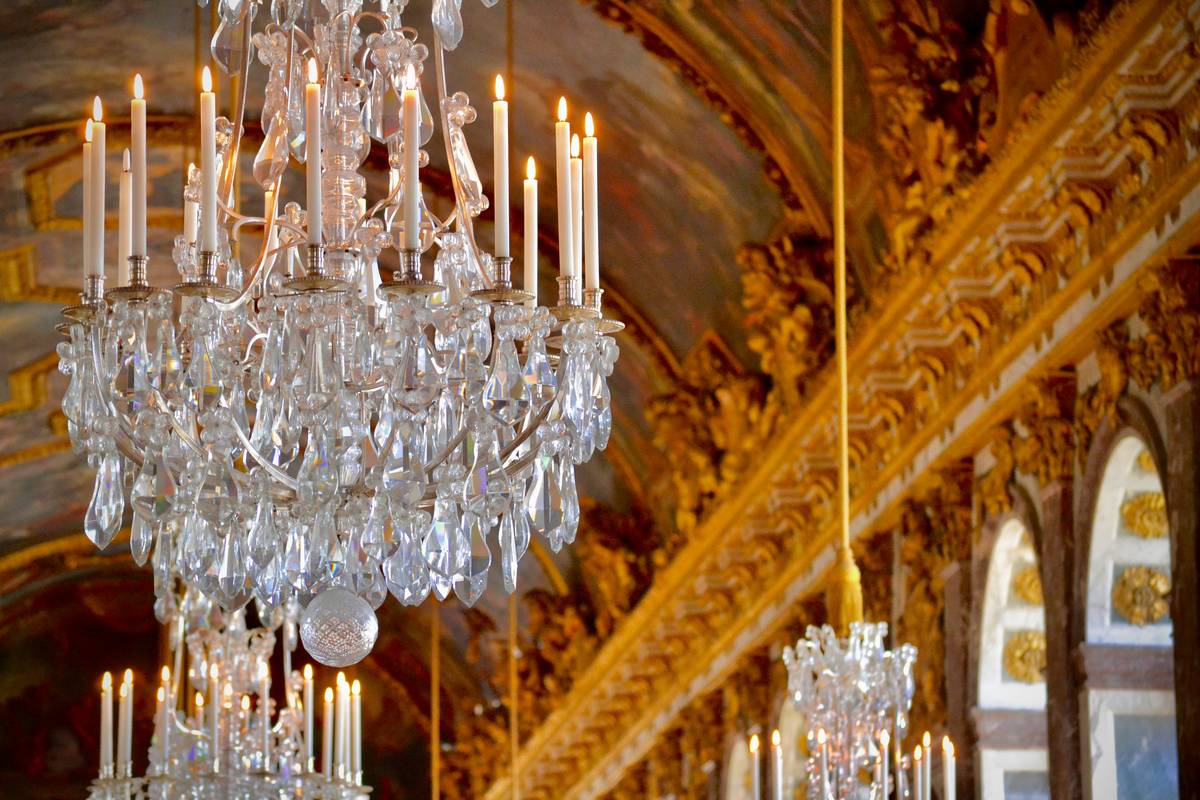
You spent thousands on that designer chandelier—but it just looks… loud. Not luxurious. Too much sparkle, too little soul. The problem isn’t the fixture. It’s how you’re using it. Lighting crystal chandeliers should whisper elegance, not shout for attention. Here’s how to get it right—without gutting your budget or your taste.
Why Most Lighting Crystal Chandeliers Fall Flat
People treat crystal chandeliers like trophies. Hang it high, crank the bulbs, and call it a day. And then wonder why their dining room feels like a Vegas hotel lobby circa 2003.
The truth? Crystal doesn’t automatically equal class. It’s about context, scale, and control. A 60-light monster in a 10×10 foyer? Disaster. Same piece over a double-height staircase? Magic. But most homeowners skip the physics of light—and end up with glare, imbalance, or visual noise.
How to Install & Style Lighting Crystal Chandeliers Like a Pro
Start With Room Scale, Not Fixture Size
Forget “measure twice, cut once.” Measure your ceiling height, room square footage, and furniture footprint first. Then—and only then—choose your chandelier diameter. Rule of thumb: Add room length + width (in feet), then convert to inches. That’s your ideal max diameter. A 12×14 room? Aim for ≤26 inches wide.
Control the Glow, Not Just the Bulbs
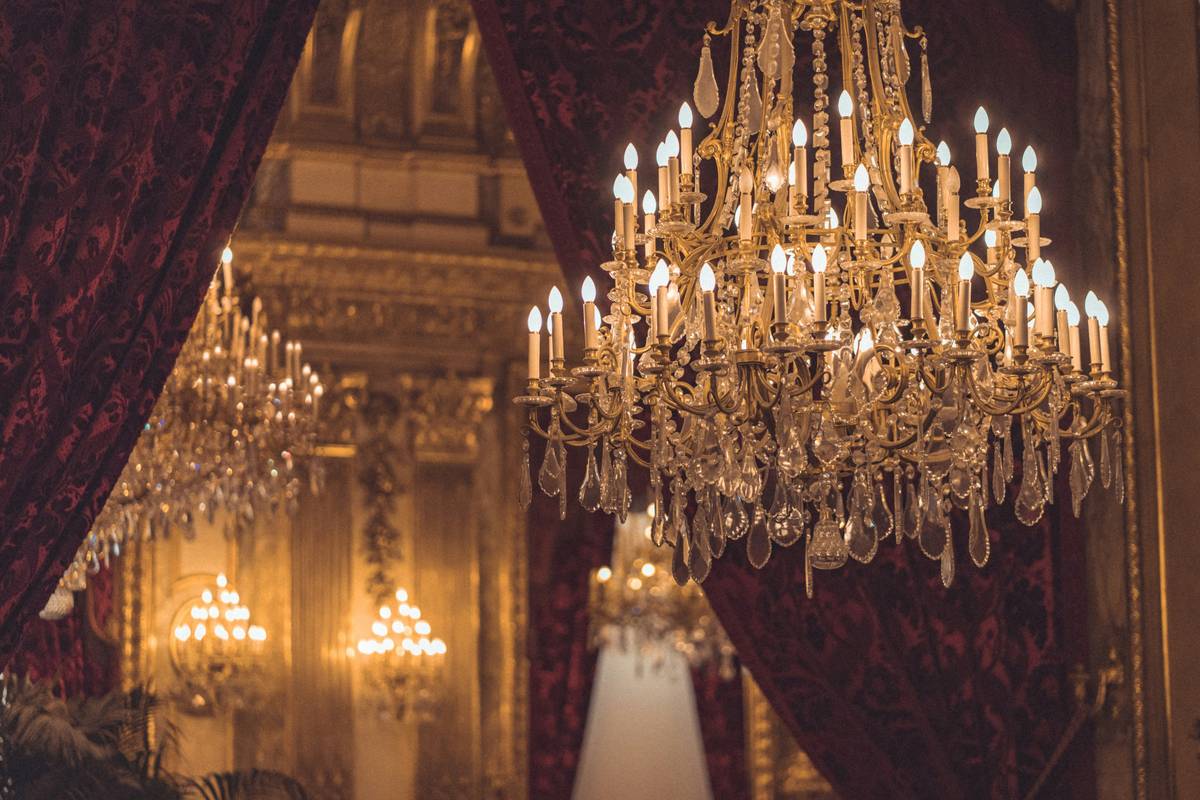
Cool white LEDs at full blast through crystal prisms? Harsh. Unforgiving. Instead, use warm-dim smart bulbs (2700K–2200K) on a dimmer. Or go vintage: LED filament bulbs with amber glass. Soft, directional, and rich in shadow play—the secret behind European salon lighting.
Hang Height Matters More Than You Think
Too high, and it’s a distant star. Too low, and it dominates like a disco ball. In dining rooms: 30–36 inches above the table surface. In foyers: bottom should clear head height by at least 7 feet. And never center it purely on floor area—anchor it to the furniture below.
| Installation Factor | Amateur Move | Pro Approach |
|---|---|---|
| Height | Hung flush or too low | Adjusted per room function + ceiling height |
| Light Temp | Bright 4000K+ LEDs | Dimmable 2200K–2700K warm sources |
| Crystal Maintenance | Never cleaned—gets cloudy | Quarterly wipe with microfiber + isopropyl mix |
| Style Integration | Standalone focal point | Paired with wall sconces or recessed accents |
The Industry Secret: Crystal Isn’t About Sparkle—It’s About Shadow
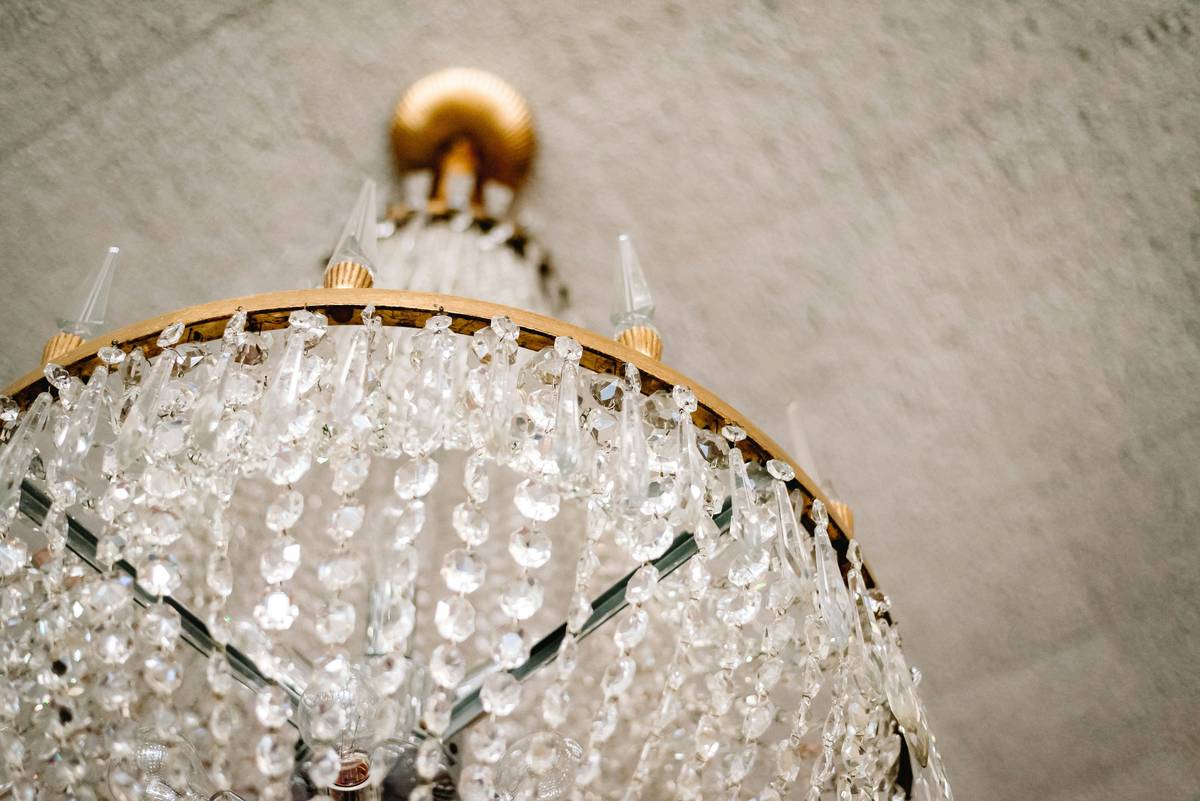
Here’s what lighting designers won’t tell you: the real luxury in crystal chandeliers isn’t the reflection—it’s the refraction. High-quality cuts don’t just throw light; they sculpt darkness. Each prism bends beams into subtle gradients across walls and ceilings, creating depth. That’s why cheap acrylic “crystal” fails—it scatters, not shapes.
And this is critical: pair your chandelier with matte finishes nearby. Glossy walls or mirrored surfaces amplify glare and flatten dimension. But eggshell paint? Linen drapes? They absorb stray light and let the chandelier’s shadows breathe. Suddenly, your lighting crystal chandeliers don’t just hang—they perform.
Frequently Asked Questions
Are crystal chandeliers outdated?
Not if styled intentionally. Modern interpretations use asymmetrical arms, smoked glass, or mixed metals—making them relevant in minimalist and transitional spaces.
How often should I clean a crystal chandelier?
Every 3–4 months in dusty environments. Use a spray of 3 parts distilled water to 1 part isopropyl alcohol—no dripping—and wipe each prism gently with a lint-free cloth.
Can LED bulbs work in vintage chandeliers?
Yes—but choose dimmable, warm-color LEDs with visible filaments. Avoid omnidirectional bulbs; opt for candle or torpedo shapes that mimic old incandescents.